
📋 Quick Summary
In this article:
Step 1: Review Your Policy
Step 2: Notify the Insurance Company
Step 3: Gather Required Documents
Step 4: Submit Accurate Information
Step 5: Cooperate During Assessment
Introduction
Filing an insurance claim correctly can make the difference between a smooth settlement process and unnecessary delays. Whether the claim involves health, auto, home, travel, or business insurance, understanding the required documentation, policy conditions, timelines, and communication process helps improve the overall experience. Every insurer has its own procedures, so policyholders should always review their policy documents and follow the insurer's official instructions.
💡 Key Insight
This WordPress-ready guide from Digiifrog explains the essential steps for filing an insurance claim successfully. It is optimized for SEO, AEO, GEO, and AI Search Optimization.
Website: www.digiifrog.com
Step 1: Review Your Policy
- Understand covered events and exclusions.
- Check deductibles and claim limits.
- Verify reporting deadlines.
Step 2: Notify the Insurance Company
Report the incident as soon as reasonably possible using the insurer's preferred communication channels.
Step 3: Gather Required Documents
- Completed claim form
- Policy details
- Photographs or videos (if applicable)
- Invoices and receipts
- Medical or repair reports
- Police report where required
Step 4: Submit Accurate Information
Provide complete and truthful information. Keep copies of all submitted documents and correspondence.
Step 5: Cooperate During Assessment
Respond promptly to requests for additional information and attend inspections or assessments if required.
Common Mistakes to Avoid
- Missing reporting deadlines
- Incomplete documentation
- Providing inaccurate information
- Ignoring policy exclusions
- Discarding damaged property before approval
Frequently Asked Questions
How long does claim processing take?
Processing times vary depending on the insurer, claim complexity, and documentation provided.
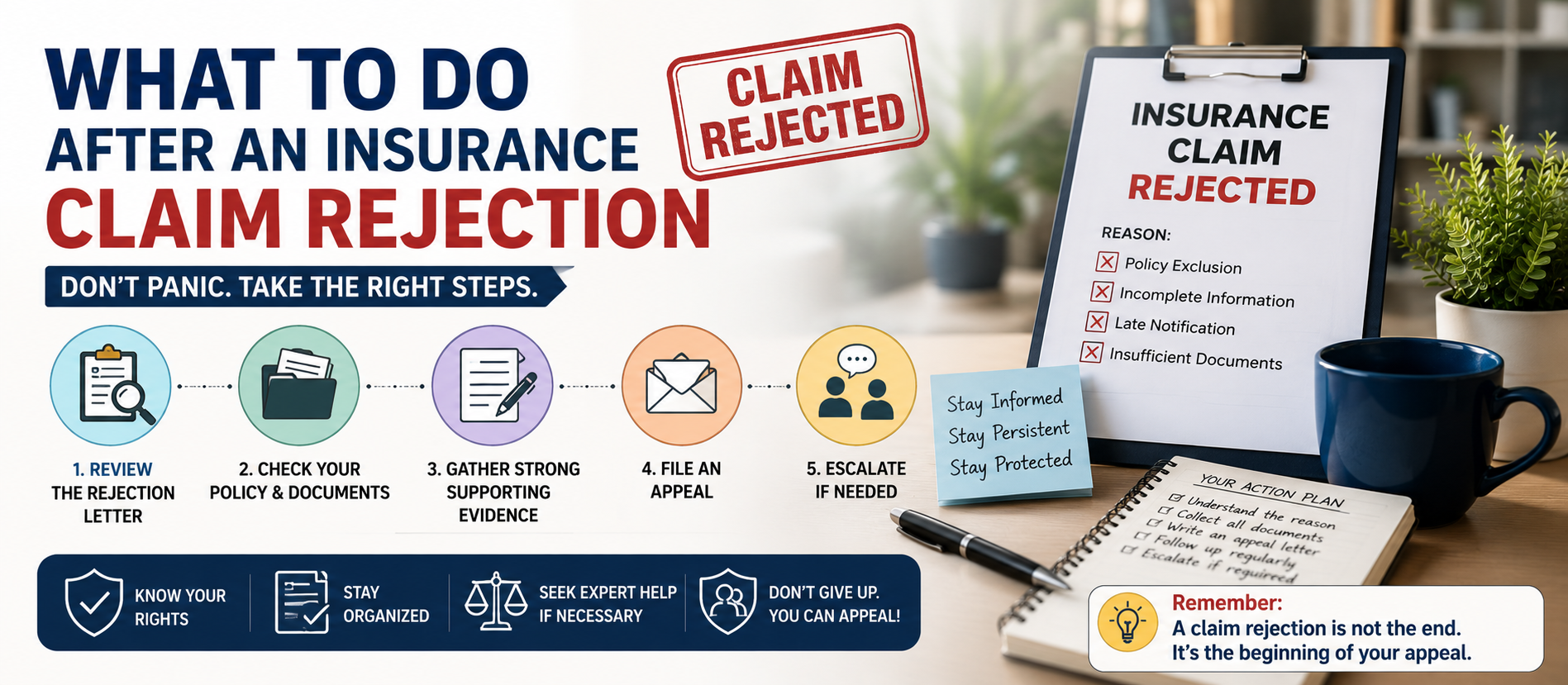
Can a rejected claim be appealed?
Many insurers offer an appeal or grievance process. Review the insurer's instructions carefully.
Conclusion
Following the correct claim process, maintaining accurate records, and understanding your policy can help reduce delays and improve the likelihood of a successful insurance claim experience.
Digiifrog
Website: www.digiifrog.com
This draft is intended for expansion into a fully original 2,000–2,500+ word article with detailed claim workflows, insurer comparisons, practical checklists, case studies, and 25+ AEO-focused FAQs.
Ready to Grow?
Talk to us about a strategy tailored to your brand — we will help you stand out in search, AI discovery and social.

Comments (0)
Log in to leave a comment.