
📋 Quick Summary
In this article:
Quick Answer: How Can You Increase Rental Income Legally?
1. Research the Local Rental Market
2. Raise Rent Only When Legally Permitted
3. Improve the Property to Support Higher Rent
4. Add Valuable Amenities
5. Reduce Vacancy Periods
6. Focus on Tenant Retention
7. Offer Optional Services Carefully
8. Consider Furnished Rentals When Appropriate
9. Improve Energy Efficiency
10. Review Operating Costs
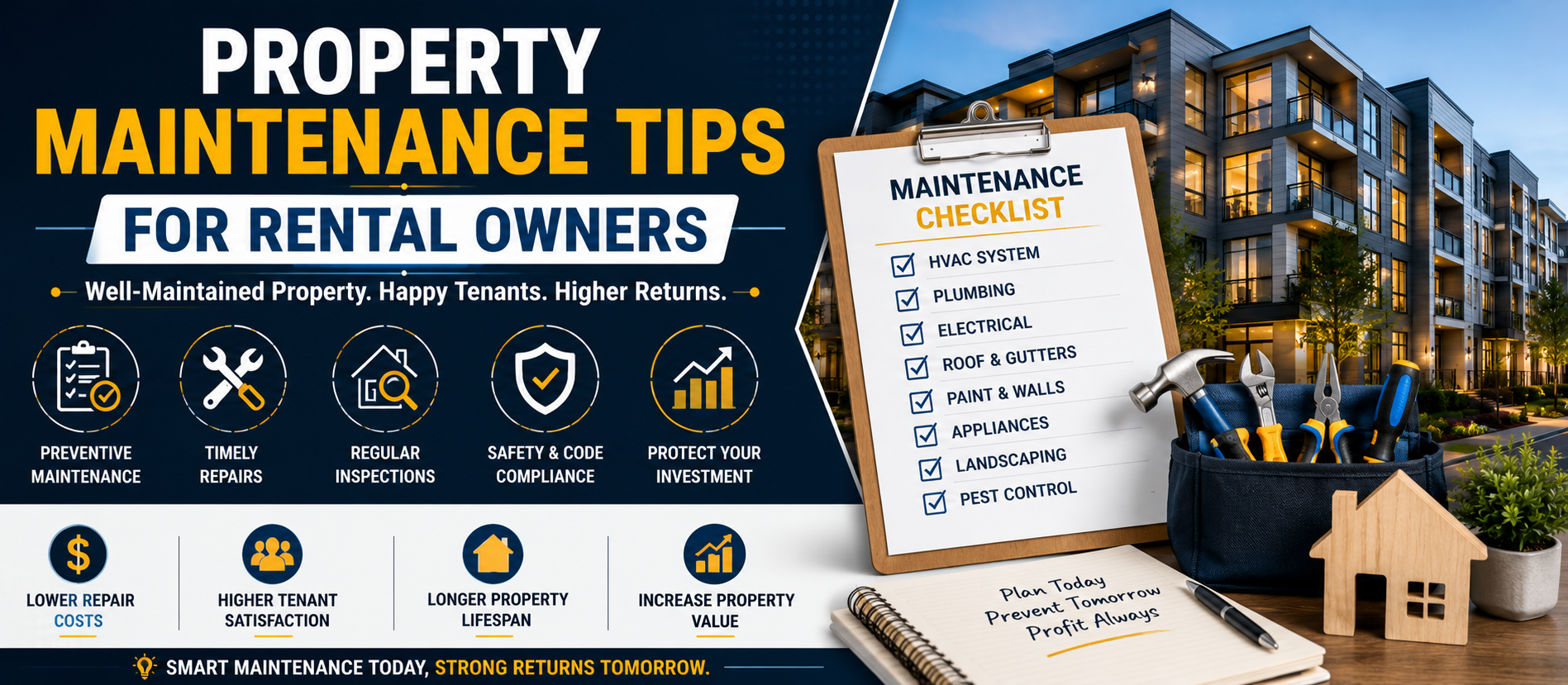
11. Use Preventive Maintenance
Increasing rental income legally requires a careful balance between improving property value, understanding tenant demand, controlling costs, and following all applicable laws. Property owners often look for ways to earn more from rental real estate, but the best strategy is not simply raising the monthly rent.
A successful rental income plan should consider local market conditions, tenant expectations, lease agreements, property improvements, and legal requirements. Rental laws can vary by country, state, city, and property type. Therefore, landlords should always review the rules that apply to their specific property before making changes.
This guide explains practical ways to increase rental income legally while improving the rental experience for tenants and protecting the long-term value of your property.
Quick Answer: How Can You Increase Rental Income Legally?
You can increase rental income legally by setting market-based rents, improving the property, offering valuable optional amenities, reducing vacancy, reviewing allowable fees, improving tenant retention, and following all applicable rent, lease, housing, consumer protection, and local regulations.
The exact rules depend on where the property is located. Before raising rent or introducing any fee, property owners should verify local legal requirements and consult a qualified professional when necessary.
1. Research the Local Rental Market
The first step is understanding what similar properties rent for in your area.
Compare your property with similar rentals based on:
- Location and neighborhood.
- Property size.
- Number of bedrooms and bathrooms.
- Property condition.
- Parking availability.
- Included utilities.
- Nearby amenities.
- Building features.
A property owner should not rely on one advertised listing. Compare multiple properties and focus on rentals that are genuinely similar.
If your rent is significantly below the local market and no legal restrictions apply, a reasonable adjustment may be possible. However, rent increases may be limited by local laws, rent-control rules, notice requirements, lease terms, or other regulations.
2. Raise Rent Only When Legally Permitted
Increasing rent can be one of the most direct ways to improve rental income, but it must be done legally.
Before increasing rent, review:
- The current lease agreement.
- Local rent-control or rent-stabilization rules.
- Required notice periods.
- Limits on the amount or frequency of increases.
- Tenant protection laws.
- Rules that apply during an existing lease term.
⚠ Watch Out
A legal rent increase should be clearly communicated and properly documented. Avoid informal arrangements that may create confusion or disputes.
It is also important to remember that charging the highest possible rent is not always the best business decision. An unrealistic increase can cause a good tenant to leave, leading to vacancy and turnover costs.
3. Improve the Property to Support Higher Rent
One of the most reliable ways to justify higher rental income is to improve the value of the property.
Useful upgrades may include:
- Modern lighting.
- Fresh interior paint.
- Updated flooring.
- Energy-efficient appliances.
- Improved kitchen features.
- Updated bathroom fixtures.
- Better storage solutions.
- Improved security features.
Not every improvement will produce the same return. Before spending money, consider whether tenants in your local market actually value the upgrade.
A luxury renovation may not produce enough additional rent in every neighborhood. Focus on improvements that match local tenant expectations.
4. Add Valuable Amenities
Tenants may be willing to pay more for useful amenities. The best amenities depend on the property type and location.
Examples may include:
- Parking, where legally and practically available.
- Secure storage space.
- High-quality internet options.
- Laundry facilities.
- Outdoor spaces.
- Package storage solutions.
- Fitness or community spaces.
- Smart home features.
Before charging separately for an amenity, check whether the lease, local laws, or utility regulations restrict the arrangement.
Transparency is essential. Tenants should clearly understand what is included in rent and what services or amenities involve additional charges.
5. Reduce Vacancy Periods
Increasing rental income is not only about charging more. Reducing vacancy can have a major effect on annual income.
For example, a property that earns a slightly lower monthly rent but remains occupied may produce more annual income than a higher-priced property that stays vacant for several months.
Ways to reduce vacancy include:
- Maintaining the property well.
- Responding quickly to tenant inquiries.
- Using clear rental listings.
- Setting realistic market pricing.
- Starting renewal conversations early.
- Planning repairs between tenancies.
Tenant satisfaction can also reduce vacancy by encouraging good tenants to renew.
6. Focus on Tenant Retention
Keeping a reliable tenant can be financially valuable.
Tenant turnover may involve:
- Cleaning costs.
- Repairs.
- Marketing expenses.
- Vacancy.
- Administrative work.
- Time spent screening new applicants.
Good tenant retention strategies include clear communication, timely maintenance, respectful treatment, and fair lease practices.
Some landlords may also consider reasonable renewal incentives when legally appropriate. The goal is to understand whether keeping a reliable tenant is more profitable than seeking a higher rent from a new tenant.
7. Offer Optional Services Carefully
Depending on the property and local laws, landlords may be able to offer optional services that create additional revenue.
Examples might include:
- Optional parking arrangements.
- Storage services.
- Furniture packages.
- Approved convenience services.
However, optional services must be structured legally and transparently. Landlords should not disguise mandatory charges as optional services or introduce fees that are prohibited by law.
Review local regulations and lease requirements before adding any new charge.
8. Consider Furnished Rentals When Appropriate
In some markets, furnished properties can attract tenants who need flexible housing or temporary accommodation.
Potential tenants may include:
- Corporate professionals.
- Students.
- Traveling workers.
- People relocating.
A furnished property may justify a different rental price because the owner provides furniture and equipment. However, furnishing also creates additional costs, maintenance responsibilities, and replacement risks.
Local zoning, licensing, tax, building, and rental rules may apply differently depending on the rental model. Always verify the applicable requirements before changing how the property is rented.
9. Improve Energy Efficiency
Energy-efficient improvements can make a rental property more attractive and may reduce operating costs.
Potential upgrades include:
- Efficient lighting.
- Improved insulation.
- Modern heating and cooling equipment.
- Energy-efficient appliances.
- Water-saving fixtures.
The value of these improvements depends on local utility costs and who pays for the utilities.
If tenants pay utilities, lower energy costs may make the property more attractive. If the landlord pays utilities, efficiency improvements may reduce operating expenses.
10. Review Operating Costs
Rental income growth is only one side of profitability. Net income can also improve when unnecessary expenses are reduced.
Review:
- Maintenance expenses.
- Insurance costs.
- Utility expenses.
- Property management costs.
- Vendor contracts.
- Preventive maintenance plans.
Reducing expenses should never mean ignoring safety, maintenance, or legal responsibilities. Deferred maintenance can create larger costs later and may damage tenant relationships.
11. Use Preventive Maintenance
Preventive maintenance can help protect both rental income and property value.
Regular inspections and maintenance may help identify problems before they become expensive emergencies.
Examples include:
- Checking plumbing systems.
- Maintaining heating and cooling equipment.
- Inspecting roofs and drainage.
- Testing safety systems as required.
- Repairing minor damage promptly.
A well-maintained property is often easier to rent and may experience fewer unexpected repair costs.
12. Review Lease Agreements Regularly
A clear lease agreement can help protect both the landlord and tenant.
Lease terms should accurately explain:
- Rent amount.
- Payment due dates.
- Included services.
- Utility responsibilities.
- Maintenance responsibilities.
- Renewal procedures.
- Any lawful fees or charges.
Do not use generic lease language without confirming that it complies with local law. Rental regulations can differ significantly between jurisdictions.
13. Use Legal and Transparent Fees
Some jurisdictions allow certain rental-related fees, while others limit or prohibit them.
Examples may include application-related charges, late payment charges, parking fees, or other permitted fees. The legality, amount, purpose, and disclosure requirements can vary.
Never assume a fee is legal simply because another landlord charges it.
Before adding any fee, verify:
- Whether the fee is legally permitted.
- Whether there is a maximum amount.
- Whether advance disclosure is required.
- Whether the fee must appear in the lease.
14. Price According to Property Value
Rental pricing should reflect the real value offered to tenants.
A higher price may be easier to support when the property offers:
- A desirable location.
- Reliable maintenance.
- Modern features.
- Convenient transportation access.
- Useful amenities.
- Good security features.
Instead of increasing rent without improving the rental experience, look for ways to create genuine value.
15. Understand the Local Legal Environment
Real estate laws are highly geographic. Rules can vary by country, state, province, city, and municipality.
Before making rental changes, investigate:
- Rent-control regulations.
- Rent increase limits.
- Required notice periods.
- Security deposit rules.
- Habitability requirements.
- Fair housing and anti-discrimination laws.
- Licensing requirements.
- Local zoning rules.
Because these requirements change by location, landlords should seek qualified local advice when dealing with important legal or financial decisions.
16. Avoid Discriminatory Practices
Increasing rental income must never involve unlawful discrimination.
Property owners should apply rental policies consistently and comply with applicable fair housing and anti-discrimination requirements.
Rental pricing, screening, lease decisions, and tenant communications should be based on lawful business criteria and applied fairly.
17. Use Professional Property Management When Needed
Professional management can be useful for landlords who own multiple properties or do not have time to manage daily operations.
A qualified property manager may assist with:
- Marketing.
- Tenant communication.
- Maintenance coordination.
- Rent collection.
- Record keeping.
- Lease administration.
Management has a cost, so property owners should compare that cost with the potential benefits.
18. Improve Your Rental Marketing
Better marketing can help attract suitable tenants and reduce vacancy.
A strong rental listing should include:
- Clear property descriptions.
- Accurate information.
- High-quality photos.
- Important amenities.
- Clear rental terms.
Misleading advertising can create disputes and may violate consumer protection rules. Always describe the property honestly.
Common Mistakes That Can Reduce Rental Income
Setting Rent Too High
Overpricing can increase vacancy and reduce annual income.
Ignoring Tenant Retention
Frequent turnover can be expensive even when a landlord achieves higher rent from new tenants.
Adding Fees Without Legal Review
Unauthorized or poorly disclosed charges can create legal problems and tenant disputes.
Ignoring Property Maintenance
Poor maintenance can reduce property value, increase vacancies, and create larger repair costs.
Using One Strategy for Every Property
Different locations and tenant groups have different expectations. Rental strategies should reflect the local market.
A Simple Legal Rental Income Checklist
| Action Key Question | |
| Review market rent | What do similar properties legally rent for? |
| Check local laws | Are rent increases or fees restricted? |
| Review the lease | What does the current agreement allow? |
| Improve the property | Will the upgrade create real tenant value? |
| Reduce vacancy | How can turnover time be shortened? |
| Retain good tenants | Is renewal more profitable than replacement? |
| Control expenses | Can costs be reduced without reducing quality or safety? |
SEO, AEO, GEO, and AI Search Optimization
This guide is designed to provide clear answers about how to increase rental income legally.
For SEO, relevant topics include increase rental income, legal ways to raise rent, rental property income strategies, and landlord income tips.
For AEO, the article answers common questions directly, including how landlords can increase income, reduce vacancy, improve property value, and review legal rent increases.
For GEO and AI Search optimization, the article emphasizes that rental laws depend on geography. Rules may differ based on the country, state, province, city, and local municipality.
Frequently Asked Questions
What is the easiest way to increase rental income legally?
The best approach depends on local laws and the property. Common legal strategies include market-based rent adjustments where permitted, property improvements, reducing vacancy, improving tenant retention, and offering lawful optional amenities.
Can a landlord raise rent whenever they want?
Not necessarily. Rent increases may be limited by lease terms, rent-control rules, notice requirements, and other local laws.
Should I raise rent or keep a good tenant?
Compare the additional income from a higher rent with the possible cost of vacancy, cleaning, repairs, marketing, and finding a new tenant.
Can property improvements increase rent?
Improvements can increase property value and tenant appeal, but whether they support higher rent depends on the local market and applicable laws.
Can landlords charge additional fees?
Some fees may be allowed in certain locations, while others may be restricted or prohibited. Always verify local laws before adding a charge.
Final Thoughts
The best way to increase rental income legally is to create more value while following every applicable law and lease requirement.
Property owners should begin with market research and legal compliance. From there, they can consider reasonable rent adjustments, property upgrades, useful amenities, lower vacancy, stronger tenant retention, and better expense management.
The most successful rental strategy is often not a single action. It is a combination of fair pricing, good property maintenance, efficient operations, and positive tenant relationships.
💡 Key Insight
Always remember that rental laws are local. Before changing rent, introducing fees, changing services, or modifying lease terms, review the regulations that apply to your property and seek qualified professional advice when needed.
For more useful information about real estate, property management, business, SEO, AEO, GEO, and AI Search optimization, visit www.digiifrog.com.
Disclaimer
This article is for general educational purposes only and does not constitute legal, financial, tax, investment, or real estate advice. Rental and landlord-tenant laws vary by jurisdiction and may change over time. Before raising rent, charging fees, changing lease terms, or making other rental decisions, consult applicable local laws and qualified legal or real estate professionals.
Ready to Grow?
Talk to us about a strategy tailored to your brand — we will help you stand out in search, AI discovery and social.

Comments (0)
Log in to leave a comment.