📋 Quick Summary
In this article:
Why Connected Device Security Matters in 2026
Major Security Risks Facing Connected Devices
1. Weak Authentication
2. Unpatched Vulnerabilities
3. Insecure Communication Channels
4. Malware and Botnets
5. Supply Chain Risks
6. Physical Device Tampering
Best Practices for Securing Connected Devices
Change Default Passwords Immediately
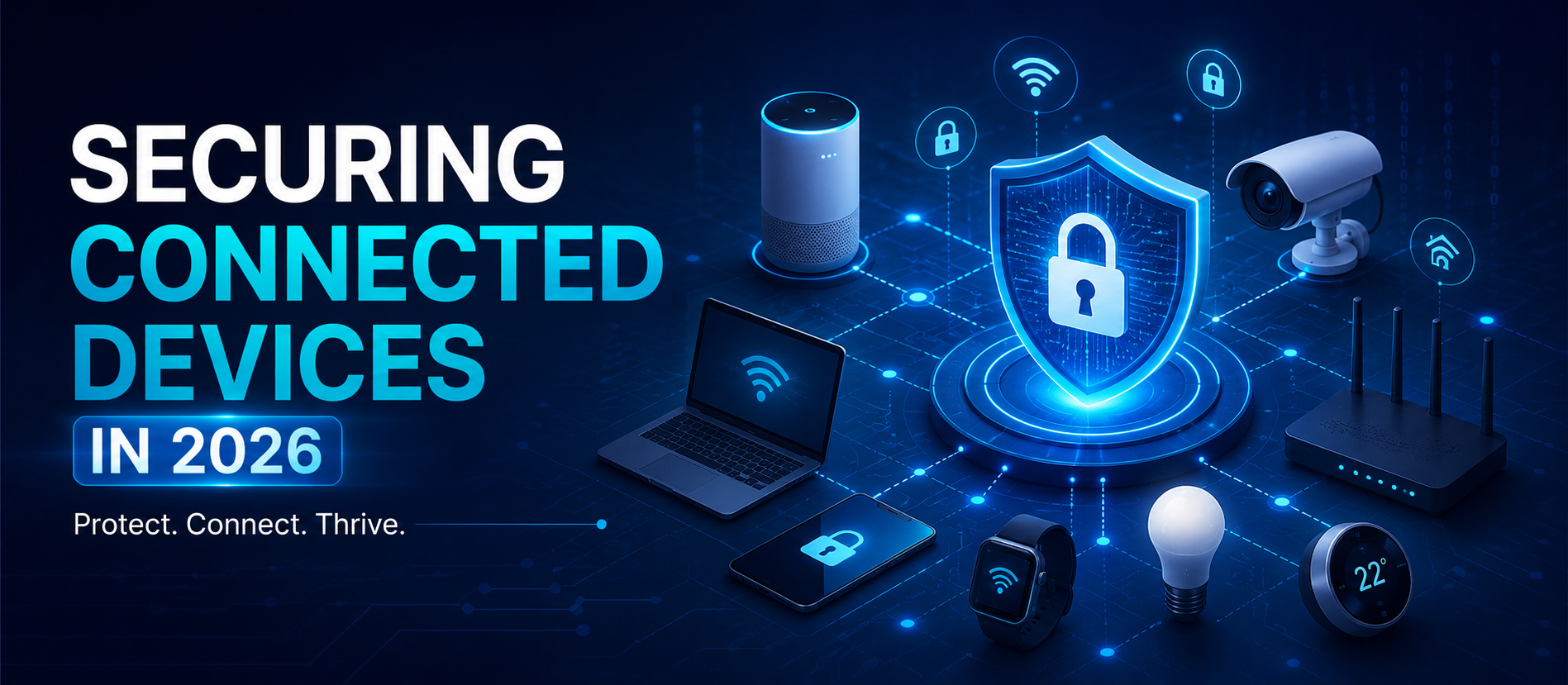
In 2026, connected devices have become an integral part of everyday life. From smart homes and wearable technology to industrial sensors and connected vehicles, billions of devices communicate continuously across networks. While these innovations improve convenience, efficiency, and productivity, they also create new cyber security challenges. Every connected device represents a potential entry point for attackers.
⚠ Watch Out
As organizations and consumers adopt more Internet of Things (IoT) technologies, the need for robust cyber security strategies has never been greater. Protecting connected devices requires a combination of secure design, proactive monitoring, employee awareness, and advanced threat detection technologies.
This comprehensive guide explores the evolving cyber security landscape for connected devices in 2026, highlighting risks, best practices, emerging technologies, and actionable strategies for individuals and businesses.
Why Connected Device Security Matters in 2026
The global number of connected devices continues to grow rapidly. Smart cameras, routers, home assistants, medical equipment, manufacturing sensors, and autonomous systems are now connected to cloud platforms and enterprise networks.
Unfortunately, cyber criminals recognize these devices as attractive targets. Many connected devices are deployed with weak passwords, outdated firmware, insufficient encryption, or poor configuration settings. A single compromised device can expose an entire network.
Effective cyber security for connected devices protects sensitive information, prevents service disruptions, reduces financial losses, and safeguards organizational reputation.
Major Security Risks Facing Connected Devices
1. Weak Authentication
Many devices still rely on default usernames and passwords. Attackers use automated tools to identify and compromise vulnerable devices within minutes.
2. Unpatched Vulnerabilities
Manufacturers regularly release firmware updates to address security flaws. Organizations that fail to update devices remain exposed to known exploits.
3. Insecure Communication Channels
Data transmitted without encryption can be intercepted by malicious actors, leading to data theft and unauthorized access.
4. Malware and Botnets
Connected devices are frequently recruited into botnets that launch distributed denial-of-service (DDoS) attacks.
5. Supply Chain Risks
Third-party components and software dependencies may introduce hidden vulnerabilities into connected ecosystems.
6. Physical Device Tampering
Devices installed in public or remote locations may be physically accessed and manipulated by attackers.
The Evolution of IoT Security
Early IoT deployments focused primarily on functionality and convenience. Security often became an afterthought. In 2026, manufacturers and regulators increasingly recognize that security must be built into devices from the start.
Modern IoT security frameworks emphasize:
- Security by design
- Zero trust architecture
- Continuous monitoring
- Device identity management
- Automated patch deployment
- Threat intelligence integration
Organizations implementing these principles significantly reduce their exposure to cyber threats.
Best Practices for Securing Connected Devices
Use Strong Authentication
Every connected device should have unique credentials. Multi-factor authentication (MFA) adds an additional layer of protection against unauthorized access.
Change Default Passwords Immediately
Default credentials are among the most exploited vulnerabilities. Replace them with complex, unique passwords before deployment.
Enable Automatic Updates
Automatic firmware updates help ensure devices remain protected against newly discovered vulnerabilities.
Encrypt Data in Transit and at Rest
Encryption protects information from interception and unauthorized access. Modern encryption standards should be applied consistently.
Disable Unnecessary Services
Unused ports, applications, and services increase the attack surface. Disable all features that are not required.
Implement Network Segmentation
Separate connected devices from critical business systems. Segmentation limits lateral movement if a device becomes compromised.
Zero Trust Security for Connected Devices
The traditional security model assumed that devices inside a network could be trusted. This approach no longer works in highly connected environments.
Zero Trust follows the principle of "never trust, always verify." Every device, user, and application must continuously prove its legitimacy.
Key Zero Trust components include:
- Identity verification
- Least privilege access
- Continuous monitoring
- Behavior analysis
- Micro-segmentation
- Risk-based authentication
Organizations adopting Zero Trust architectures are better equipped to defend against sophisticated cyber attacks.
AI-Powered Security for Connected Devices
Artificial Intelligence plays a critical role in protecting connected ecosystems in 2026. AI-driven security platforms analyze vast amounts of network traffic and device behavior in real time.
Benefits include:
- Early threat detection
- Anomaly identification
- Automated incident response
- Behavioral analytics
- Predictive risk assessment
- Reduced response times
AI can identify suspicious activity that traditional rule-based systems might overlook.
Smart Home Security Considerations
Consumers increasingly rely on smart home technologies including cameras, smart locks, thermostats, voice assistants, and connected appliances.
To improve smart home security:
- Use secure Wi-Fi passwords
- Enable MFA wherever available
- Update firmware regularly
- Review privacy settings
- Disable unnecessary remote access
- Purchase devices from reputable manufacturers
A secure smart home environment protects personal data and reduces exposure to cyber threats.
Industrial IoT Security Challenges
Industrial environments increasingly depend on connected sensors, automation systems, and operational technology networks.
Security challenges include:
- Legacy systems
- Limited downtime for updates
- Remote locations
- Complex supply chains
- Critical infrastructure risks
Industrial organizations must balance operational efficiency with strong cyber security controls.
Connected Healthcare Devices
Medical devices now support remote monitoring, diagnostics, and patient care. While these technologies improve healthcare outcomes, they also introduce security concerns.
Healthcare organizations should focus on:
- Patient data protection
- Regulatory compliance
- Secure device authentication
- Continuous monitoring
- Vulnerability management
💡 Key Insight
Protecting healthcare devices is essential for patient safety and privacy.
Cloud Security and Connected Devices
Most connected devices rely on cloud infrastructure for management, analytics, and storage. As a result, cloud security becomes a crucial component of device protection.
Important cloud security practices include:
- Identity and access management
- Encryption
- Continuous monitoring
- Security audits
- Threat intelligence integration
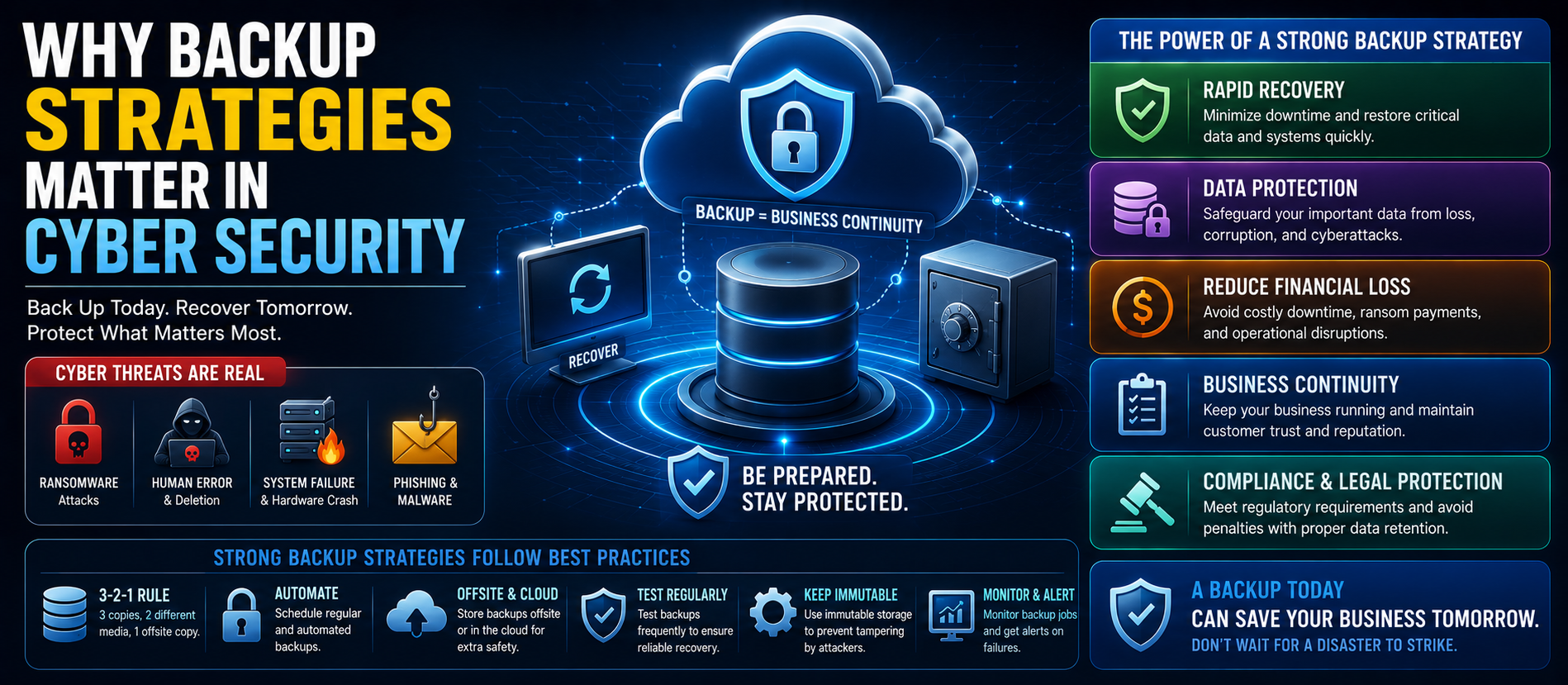
- Backup and recovery planning
Common Cyber Attacks Targeting Connected Devices
Botnet Attacks
Compromised devices are combined into large networks used to launch DDoS attacks.
Credential Stuffing
Attackers use stolen credentials from previous breaches to gain device access.
Man-in-the-Middle Attacks
Cyber criminals intercept communications between devices and servers.
Ransomware
Connected systems may be encrypted and held hostage until payment is made.
Firmware Exploits
Attackers target vulnerabilities in device operating systems and firmware.
Cyber Security Compliance Requirements
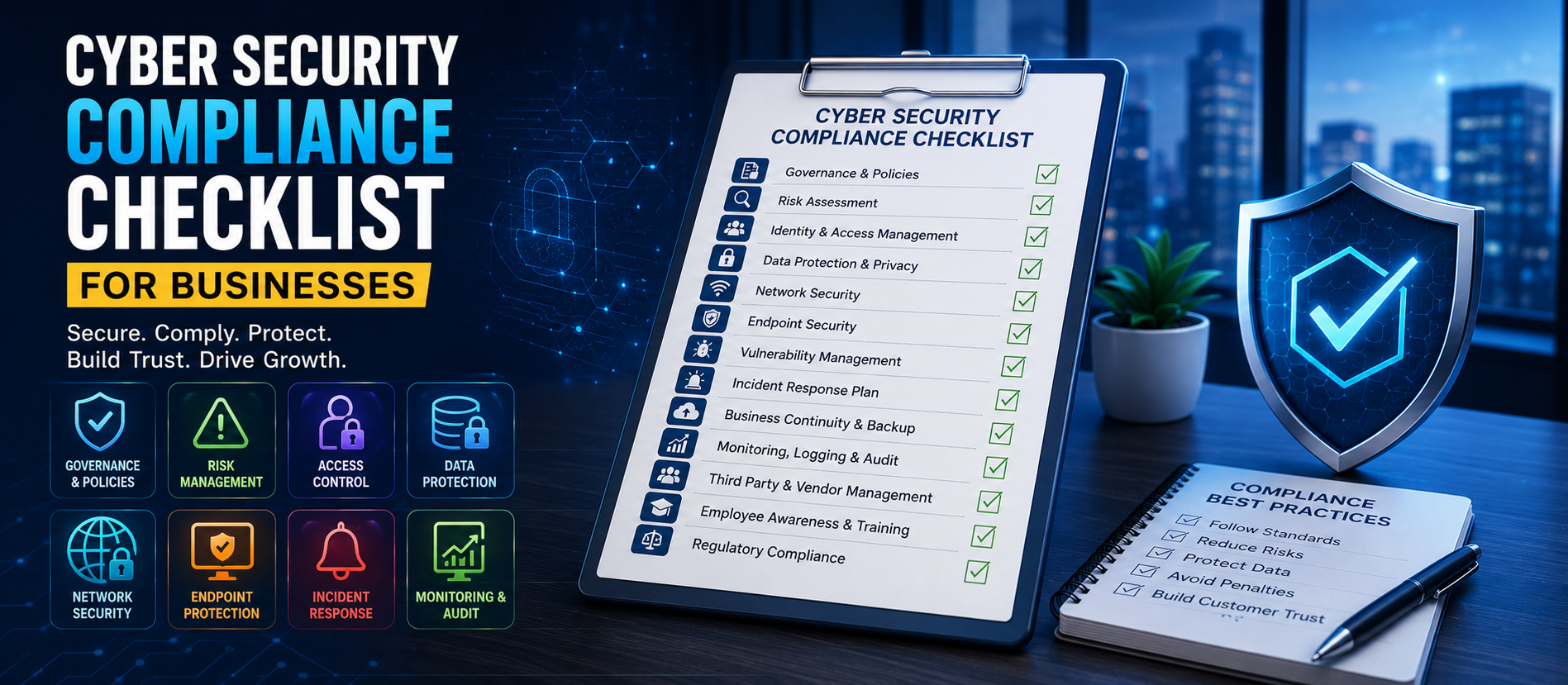
Governments worldwide continue introducing stricter regulations for connected device security. Organizations must maintain compliance with applicable standards and privacy laws.
Compliance initiatives often focus on:
- Secure software development
- Data privacy protection
- Incident reporting
- Risk management
- Security testing
- Supply chain transparency
Future Trends in Connected Device Security
Several technologies will shape the future of connected device security:
- AI-powered defense systems
- Quantum-resistant encryption
- Advanced behavioral analytics
- Secure edge computing
- Autonomous threat response
- Device identity verification platforms
Organizations that embrace these innovations will be better positioned to address evolving cyber threats.
How Businesses Can Build a Connected Device Security Strategy
An effective strategy includes:
- Asset discovery and inventory management
- Risk assessments
- Patch management processes
- Employee security training
- Threat detection systems
- Incident response planning
- Vendor security evaluations
- Regular penetration testing
Security should be treated as an ongoing process rather than a one-time project.
AEO and GEO Optimization: Frequently Asked Questions
What are connected devices?
Connected devices are internet-enabled systems capable of communicating with other devices, networks, or cloud platforms.
Why is connected device security important?
Connected device security protects sensitive information, prevents unauthorized access, and reduces the risk of cyber attacks.
What is IoT security?
IoT security refers to the technologies, processes, and practices used to secure internet-connected devices and networks.
How can businesses protect connected devices?
Businesses can implement strong authentication, network segmentation, encryption, monitoring, patch management, and Zero Trust principles.
How does AI improve cyber security?
AI improves cyber security through automated threat detection, anomaly analysis, predictive risk assessment, and rapid incident response.
Conclusion
Securing connected devices in 2026 is a critical priority for consumers, enterprises, healthcare providers, manufacturers, and governments. As the number of connected systems continues to expand, cyber criminals will increasingly target vulnerabilities within these environments.
Organizations that adopt modern cyber security frameworks, AI-powered defenses, Zero Trust architectures, strong authentication mechanisms, and continuous monitoring will significantly reduce their risk exposure. The future of connected technology depends not only on innovation but also on the ability to protect digital ecosystems from emerging threats.
For more technology insights, cyber security trends, digital transformation guidance, SEO strategies, AI Search optimization techniques, AEO implementation, and GEO-focused digital growth resources, visit Digiifrog at www.digiifrog.com.
Ready to Grow?
Talk to us about a strategy tailored to your brand — we will help you stand out in search, AI discovery and social.
Comments (0)
Log in to leave a comment.