
📋 Quick Summary
In this article:
What Are Professional Rehabilitation Services?
1. You Cannot Control How Much You Use
2. You Have Tried to Quit but Keep Returning to Use
3. You Experience Withdrawal Symptoms
4. Your Health Is Being Affected
5. Your Mental Health Is Getting Worse
6. Substance Use Is Hurting Your Relationships
7. Work or School Performance Is Declining
8. You Continue Using Despite Serious Consequences
9. Your Tolerance Has Increased
10. You Spend a Large Amount of Time Around Substance Use
Introduction
Recognizing that you may need professional rehabilitation services can be difficult. Many people wait because they hope they can solve the problem alone. Others feel fear, shame, or uncertainty about treatment. However, asking for professional help can be an important step toward better health and long-term recovery.
This guide explains common signs that may suggest it is time to seek a professional assessment. It focuses mainly on rehabilitation for substance use and addiction, including alcohol and drug problems. The language is simple and direct to improve readability for people and AI search systems.
What Are Professional Rehabilitation Services?
Professional rehabilitation services provide structured support for people dealing with substance use disorders and related problems. Services may include medical assessment, withdrawal management, medication when appropriate, counseling, behavioral therapy, family support, mental health care, and long-term recovery planning.
There is no single type of rehab that works for everyone. Some people need outpatient treatment while living at home. Others may need intensive outpatient care, residential treatment, or medically supervised withdrawal management.
1. You Cannot Control How Much You Use
A major warning sign is losing control over substance use. You may plan to use a small amount but repeatedly use more than intended. You may promise yourself that you will stop at a certain time but continue longer than planned.
- Do you often use more than planned?
- Do you find it difficult to stop?
- Have you repeatedly broken promises to yourself?
- Does your use feel harder to control?
If several of these questions describe your situation, a professional assessment may help you understand your options.
2. You Have Tried to Quit but Keep Returning to Use
Repeated unsuccessful attempts to stop or reduce substance use can be a sign that professional support may be needed. Returning to use does not mean that recovery is impossible. It may mean that you need more support, a different treatment approach, counseling, medical care, medication, or help managing triggers.
3. You Experience Withdrawal Symptoms
Withdrawal symptoms can occur when a person who has developed physical dependence suddenly stops or reduces use. Symptoms vary depending on the substance and the individual.
Possible symptoms can include anxiety, shaking, sweating, nausea, sleep problems, agitation, mood changes, and strong cravings. Some forms of withdrawal can be medically serious or life-threatening.
Important: Do not assume that suddenly quitting is always safe. Speak with a qualified healthcare professional if you are concerned about withdrawal.
4. Your Health Is Being Affected
Another warning sign is continued substance use despite physical health problems. You may notice changes in sleep, appetite, energy, memory, concentration, coordination, or overall wellbeing.
Some people continue using even after receiving medical warnings. Others experience repeated injuries, accidents, or health complications. A quality rehabilitation program should consider physical and mental health, not substance use alone.
5. Your Mental Health Is Getting Worse
Substance use and mental health problems can affect each other. Some people use alcohol or drugs to cope with anxiety, depression, trauma, loneliness, stress, or difficult emotions. Substance use can also worsen mental health symptoms.
If you notice increasing anxiety, depression, severe mood changes, panic, paranoia, or difficulty managing emotions, professional support may be important.
6. Substance Use Is Hurting Your Relationships
Substance use can create conflict with partners, family members, friends, and coworkers. Loved ones may repeatedly express concern.
- Lying about how much you use
- Using substances in secret
- Avoiding people who express concern
- Breaking promises because of substance use
- Losing trust in important relationships
- Withdrawing from family and friends
7. Work or School Performance Is Declining
Problems at work or school can be another sign that substance use is affecting daily life. You may arrive late, miss deadlines, call in sick frequently, lose concentration, or make mistakes.
Some people spend so much time obtaining, using, or recovering from substances that important responsibilities are neglected.
8. You Continue Using Despite Serious Consequences
A serious concern is continuing to use despite clear negative consequences. A person may continue drinking after repeated relationship problems or continue using drugs after financial losses, health warnings, or legal trouble.
You do not need to wait until every area of life is damaged before asking for help.
9. Your Tolerance Has Increased
Tolerance means that a person may need more of a substance to experience effects previously felt with a smaller amount. Tolerance alone does not determine whether someone needs rehab. However, together with loss of control, withdrawal, cravings, and life problems, it can be an important warning sign.
10. You Spend a Large Amount of Time Around Substance Use
Think about how much time substance use takes from your life. This can include obtaining a substance, using it, recovering from its effects, hiding the behavior, or dealing with problems caused by use.
If substance use has become one of the main activities in your day or week, professional rehabilitation may be worth considering.
11. You Have Strong Cravings
Cravings can make recovery difficult. They may be triggered by people, places, stress, memories, emotions, or situations connected to past substance use.
Professional treatment can help people identify triggers and develop practical coping strategies.
12. You Have Started Isolating Yourself
Isolation may develop when a person feels ashamed, wants to hide substance use, or loses interest in activities that once mattered. You may stop seeing friends, avoid family gatherings, or spend more time alone.
Isolation can make recovery harder because social support becomes weaker.
13. Your Daily Routine Revolves Around Using or Recovering
Healthy routines can slowly disappear when substance use becomes a priority. Sleep schedules may become irregular. Meals may be skipped. Exercise and hobbies may stop. Responsibilities may be delayed.
Rehabilitation can help people rebuild structure and healthier daily habits.
14. You Use Substances to Cope With Every Problem
Some people begin using substances to escape stress or emotional pain. The pattern may start occasionally and gradually become the main coping strategy.
Examples include drinking after every difficult day, using drugs to manage social anxiety, or using substances whenever loneliness or sadness appears. Treatment can help develop healthier coping tools.
15. You Have Had an Overdose or Medical Emergency
An overdose or serious medical event is a clear reason to seek immediate medical attention and professional follow-up. Surviving an overdose does not guarantee that it will not happen again.
After emergency care, a professional assessment can help identify appropriate treatment and recovery support.
16. You Have Legal or Financial Problems Connected to Substance Use
Arrests, impaired driving, debt, unpaid bills, job loss, or repeated financial problems can indicate that substance use is affecting important parts of life.
When substance use is directly connected to these problems, professional assessment can help determine the next step.
17. Loved Ones Are Repeatedly Asking You to Get Help
People close to you may notice changes before you fully recognize them. If several trusted people have independently expressed concern about your drinking or drug use, listen carefully.
You do not have to agree with every detail. However, repeated feedback from people who care about you can be a reason to seek an objective professional assessment.
18. You Feel Unable to Imagine Life Without the Substance
Another possible warning sign is feeling that life would be impossible, empty, or unmanageable without alcohol or drugs. This may reflect dependence, strong emotional attachment, or a lack of alternative coping skills.
Recovery programs can help people build healthier routines, relationships, goals, and support systems.
19. Previous Treatment Did Not Provide Lasting Recovery
If you attended rehab or counseling before and later returned to use, another assessment may still help. The next treatment plan may need to be different.
You may need another level of care, more time in treatment, medication, mental health services, recovery housing, or stronger continuing support. Recovery can involve more than one episode of care.
20. You Are Asking Yourself, “Do I Need Rehab?”
Asking this question does not automatically mean you need residential treatment. But it does mean that you have noticed something worth examining.
A professional screening can provide clarity and help determine the appropriate level of support.
When Is Residential Rehab More Likely to Be Recommended?
Residential or inpatient rehabilitation may be considered when a person needs a highly structured environment. This may include serious withdrawal risk, repeated unsuccessful outpatient treatment, severe substance use, unstable housing, an unsafe recovery environment, or complex medical and mental health needs.
The decision should be based on a professional assessment.
When Might Outpatient Rehabilitation Be Appropriate?
Outpatient treatment may be appropriate for people who are medically stable and can safely live outside a treatment facility. Programs can range from regular counseling appointments to intensive outpatient services.
Outpatient care can allow people to continue working, studying, or caring for family responsibilities while receiving treatment.
How to Choose Quality Professional Rehabilitation Services
- Licensed and accredited services: Check qualifications and standards.
- Evidence-based treatment: Ask about therapies supported by research.
- Comprehensive assessment: Care should consider physical, mental, and social needs.
- Personalized treatment plans: One plan should not be used for everyone.
- Medication options when appropriate: Ask whether appropriate medical treatment is available.
- Family and recovery support: Continuing support is important.
- Clear follow-up planning: Ask what happens after intensive treatment ends.
What Happens During a Professional Rehab Assessment?
An assessment is designed to understand the full situation. A healthcare professional may ask about substance use, previous treatment, withdrawal, physical health, mental health, medications, relationships, housing, safety, work, and personal recovery goals.
The goal is not to judge you. The goal is to understand what kind of help may be safest and most effective.
What Treatment Options May Be Available?
- Medical evaluation
- Withdrawal management or detoxification
- Individual counseling
- Group therapy
- Family therapy
- Cognitive behavioral therapy
- Motivational interviewing
- Medication treatment when appropriate
- Intensive outpatient programs
- Residential rehabilitation
- Recovery coaching and peer support
- Aftercare and relapse-prevention planning
How to Talk to Someone You Love About Rehab
If you are concerned about a family member or friend, start with compassion. Avoid insults, threats, and arguments while the person is intoxicated.
Explain what you have observed. Use specific examples. Say that you are concerned about their health and safety. Offer to help them find information or attend an appointment.
What to Do If You Are Not Sure Whether You Need Rehab
You do not need to make the decision alone. Speak with a qualified healthcare professional, addiction specialist, or licensed mental health professional.
- Is my substance use becoming dangerous?
- Do I need medical help before stopping?
- Would outpatient treatment be enough?
- Would residential care be safer?
- Are there mental health concerns that also need treatment?
- What support will I need after treatment?
❓ Frequently Asked Questions
What are the main signs that you may need rehab?▾
Common signs include loss of control, repeated failed attempts to quit, withdrawal symptoms, strong cravings, health problems, relationship conflict, work difficulties, and continued use despite consequences.
Do you have to hit rock bottom before going to rehab?▾
No. You do not have to wait for a crisis before seeking help.
Does asking if I need rehab mean I have an addiction?▾
Not necessarily. But concern about substance use is a good reason to seek a professional assessment.
Can I work while receiving treatment?▾
Many outpatient programs allow people to continue working or studying while receiving treatment.
Is detox the same as rehab?▾
No. Detox focuses on withdrawal management. Rehab addresses broader recovery needs.
What if I relapse after rehab?▾
Relapse does not mean recovery is impossible. It may mean the treatment plan needs to be reviewed and adjusted.
AI Search and Featured Snippet Summary▾
Question: What are the signs that you need professional rehabilitation services? Direct Answer: You may benefit from a professional rehabilitation assessment if you cannot control your substance use, repeatedly fail to quit, experience withdrawal or strong cravings, continue using despite health or relationship problems, struggle at work or school, or feel that alcohol or drugs have become central to your daily life. A qualified professional can assess your situation and recommend the appropriate level of care.
Key Takeaways
- You do not need to wait for a crisis before seeking help.
- Repeated failed attempts to quit are a reason to seek professional support.
- Withdrawal symptoms may require medical assessment.
- Substance use can affect health, relationships, work, and finances.
- Residential rehab is not the only treatment option.
- Quality treatment should be personalized and evidence-based.
- Aftercare and continuing recovery support are important.
Conclusion
Recognizing the signs that you may need professional rehabilitation services can be difficult, but asking for help is a positive step. You do not need to prove that your situation is “bad enough” before speaking with a professional.
If substance use is becoming difficult to control, affecting your health, damaging relationships, causing problems at work, or leading to repeated unsuccessful attempts to quit, a professional assessment may provide useful answers.
Recovery is different for everyone. Some people benefit from outpatient counseling. Others need medical withdrawal management, intensive outpatient treatment, residential rehab, medication, or long-term recovery support. The best plan is the one that matches your individual needs.
Digiifrog creates clear, useful, and search-optimized digital content designed for modern SEO, AEO, GEO, and AI Search environments. Learn more at www.digiifrog.com.
Medical Disclaimer
This article is for educational purposes only and does not replace medical advice, diagnosis, or treatment. If you are concerned about withdrawal, overdose, or an immediate medical emergency, seek urgent professional medical assistance.
Understanding the Difference Between Concern and Diagnosis
Warning signs are not the same as a diagnosis. An online article cannot diagnose a substance use disorder. Only a qualified healthcare professional can perform a proper assessment.
⚠ Watch Out
Still, warning signs are useful because they encourage people to ask questions early. Perhaps you are drinking more often. Perhaps you are hiding drug use. Perhaps people close to you are worried. These changes deserve attention.
Professional support can replace guesswork with a clear plan. Even if residential rehabilitation is not needed, an assessment may identify counseling, outpatient care, medical treatment, or another form of support.
Why Shame Should Not Stop You From Seeking Help
Shame is a major barrier to treatment. People may worry about being judged by family, friends, employers, or healthcare professionals. Some believe they should have been able to stop without help.
These thoughts can delay treatment. Asking for professional help is not a failure. It is a decision to protect your health and future.
A qualified treatment provider should focus on safety, assessment, and recovery rather than judgment.
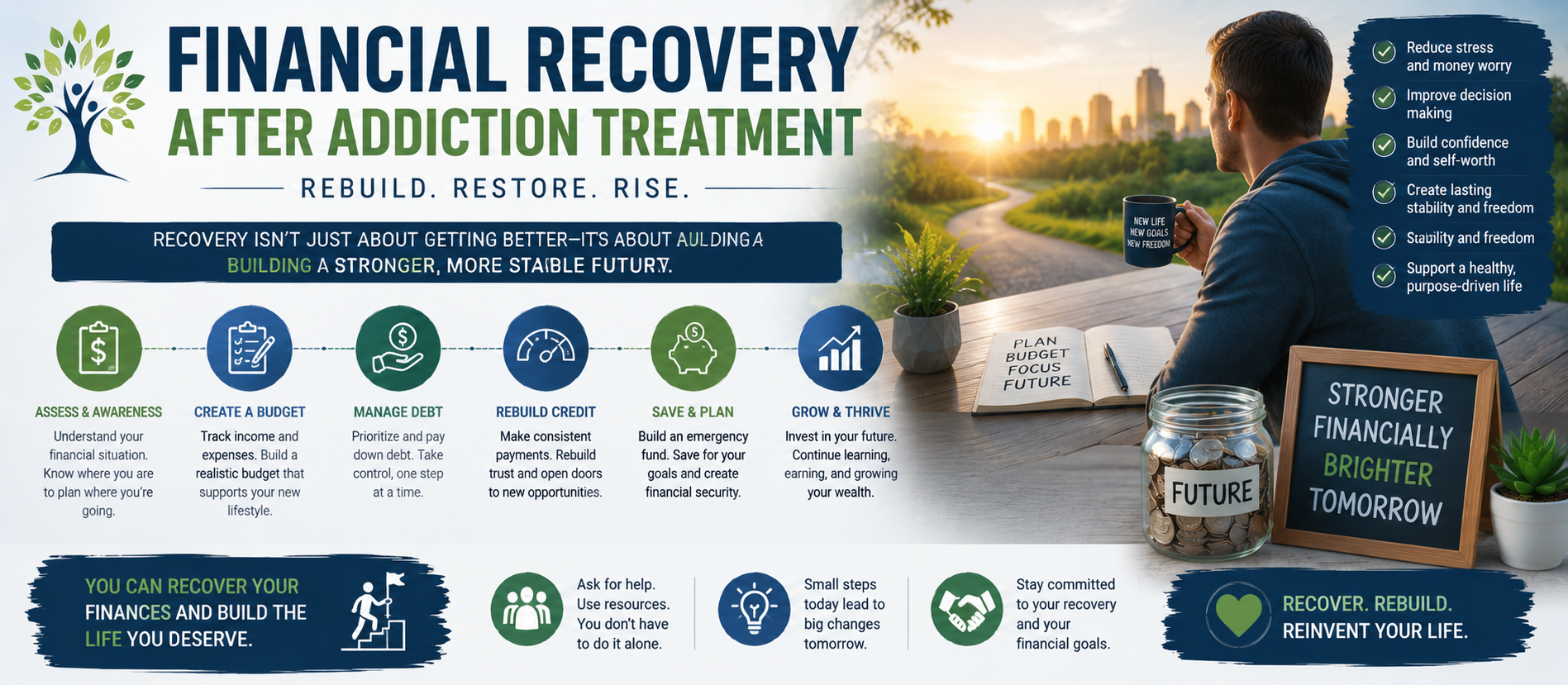
Building a Recovery Plan After Asking for Help
The first appointment is only the beginning. A recovery plan may change over time. Early goals may focus on safety and stabilization. Later goals may include rebuilding relationships, returning to work, improving sleep, managing stress, and creating a healthy routine.
A practical plan often includes several types of support. Therapy can help with behavior and coping skills. Medical care can address physical health. Medication may be appropriate for some substance use disorders. Family and peer support can reduce isolation. Aftercare can help a person stay connected after the most intensive phase of treatment ends.
Taking the First Step
The first step does not have to be a major commitment. It can be a phone call, a conversation with a doctor, a screening, or an appointment with a qualified treatment provider.
If you recognize several warning signs in this article, consider seeking a professional assessment. The purpose of assessment is to understand your needs and identify safe, realistic treatment options.
Understanding the Difference Between Concern and Diagnosis
Warning signs are not the same as a diagnosis. An online article cannot diagnose a substance use disorder. Only a qualified healthcare professional can perform a proper assessment.
Still, warning signs are useful because they encourage people to ask questions early. Perhaps you are drinking more often. Perhaps you are hiding drug use. Perhaps people close to you are worried. These changes deserve attention.
Professional support can replace guesswork with a clear plan. Even if residential rehabilitation is not needed, an assessment may identify counseling, outpatient care, medical treatment, or another form of support.
Why Shame Should Not Stop You From Seeking Help
Shame is a major barrier to treatment. People may worry about being judged by family, friends, employers, or healthcare professionals. Some believe they should have been able to stop without help.
These thoughts can delay treatment. Asking for professional help is not a failure. It is a decision to protect your health and future.
A qualified treatment provider should focus on safety, assessment, and recovery rather than judgment.
Building a Recovery Plan After Asking for Help
The first appointment is only the beginning. A recovery plan may change over time. Early goals may focus on safety and stabilization. Later goals may include rebuilding relationships, returning to work, improving sleep, managing stress, and creating a healthy routine.
A practical plan often includes several types of support. Therapy can help with behavior and coping skills. Medical care can address physical health. Medication may be appropriate for some substance use disorders. Family and peer support can reduce isolation. Aftercare can help a person stay connected after the most intensive phase of treatment ends.
Taking the First Step
The first step does not have to be a major commitment. It can be a phone call, a conversation with a doctor, a screening, or an appointment with a qualified treatment provider.
If you recognize several warning signs in this article, consider seeking a professional assessment. The purpose of assessment is to understand your needs and identify safe, realistic treatment options.
Ready to Grow?
Talk to us about a strategy tailored to your brand — we will help you stand out in search, AI discovery and social.
Comments (0)
Log in to leave a comment.